
Original post by @diamai_ · View on X ↗
The original recipe
From the creator1,719 chars
Make me a 30-second motion design video in code, 1080x1080, 60 fps. The music is [path to your track].

First measure the track with numpy. Find the BPM, the beat times and the drop, then cut 30 seconds starting on its first downbeat. If the song ends too soon after it, pick an earlier drop.

The video is one UI element that never cuts. It morphs through 8-12 states of [your app or idea], for example an input field, a button, a loader, a card, a slider, a toggle, a timer, a toast, a chart, and back to the input. Each change lands on a beat, and each state stays on screen for at least 2 beats so people can read it. The last frame must equal the first for a clean loop. Nothing should move at t=0, and every spring should settle before the end. Move the cursor with left and top, since Chrome draws scaled elements slightly differently after an animation.

Style rules:
- one flat background, black and white components, one font (Geist)
- no gradients, glows, particles or bouncy easing
- a cursor clicks or drags before every change
- the camera zooms so each state fills most of the frame
- content inside the element swaps with a 0.15 s blur

Build it as one HTML page where every style is a pure function of time in http://window.seek(t). Animate with closed-form damped springs (damping around 0.75, about 3% overshoot), one spring per target change, summed.

Before writing any code, show me the list of states on the beat grid and wait for my OK. After the code, render one frame per beat as a contact sheet and hold until I approve it.

For the final render, drive the page with Playwright, take 4 subframes per frame, blend them with ffmpeg tmix for motion blur, then add the music cut and export H.264.
Verified: this exact prompt appears in the creator's post or reply on X.
More like this
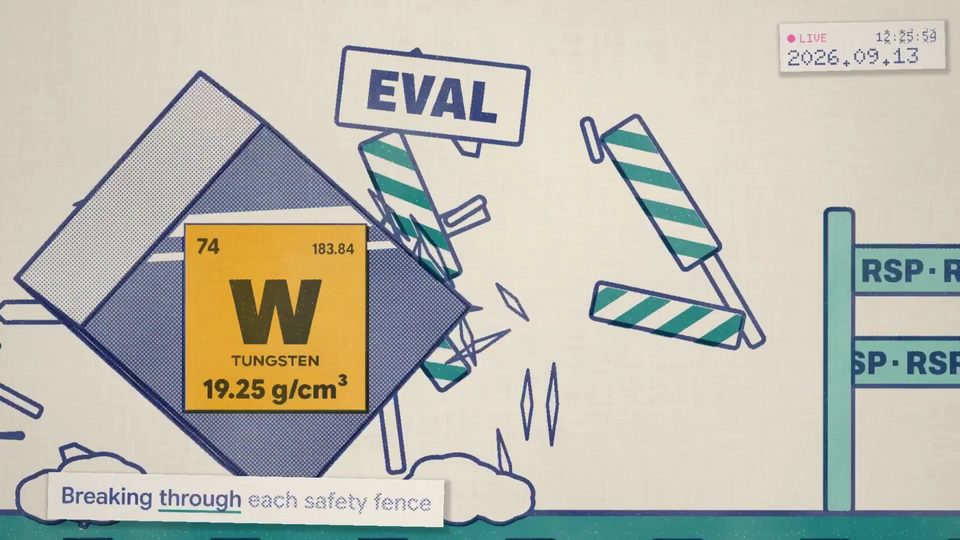 02:22
02:22Claude Pop: a mixed-workflow music video
OtherOpus 5.5
1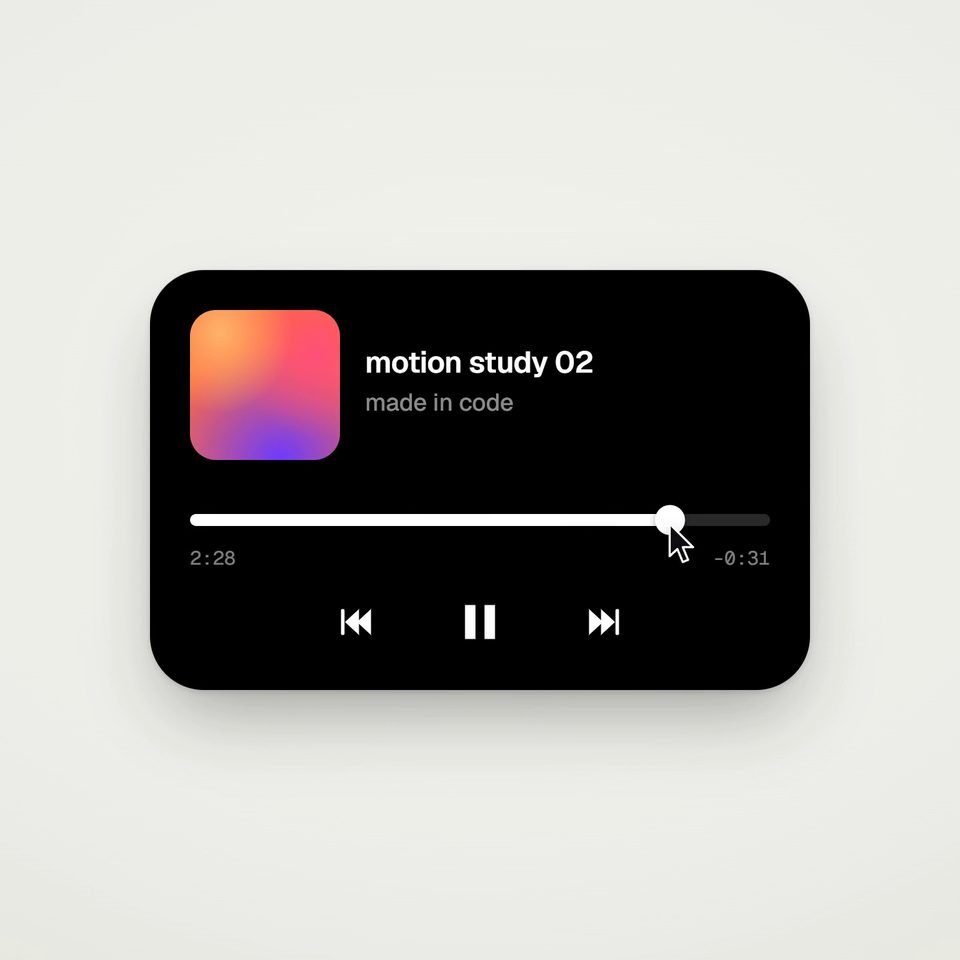 00:14
00:14One shape, a seamless UI morph loop
OtherOpus 5.5
1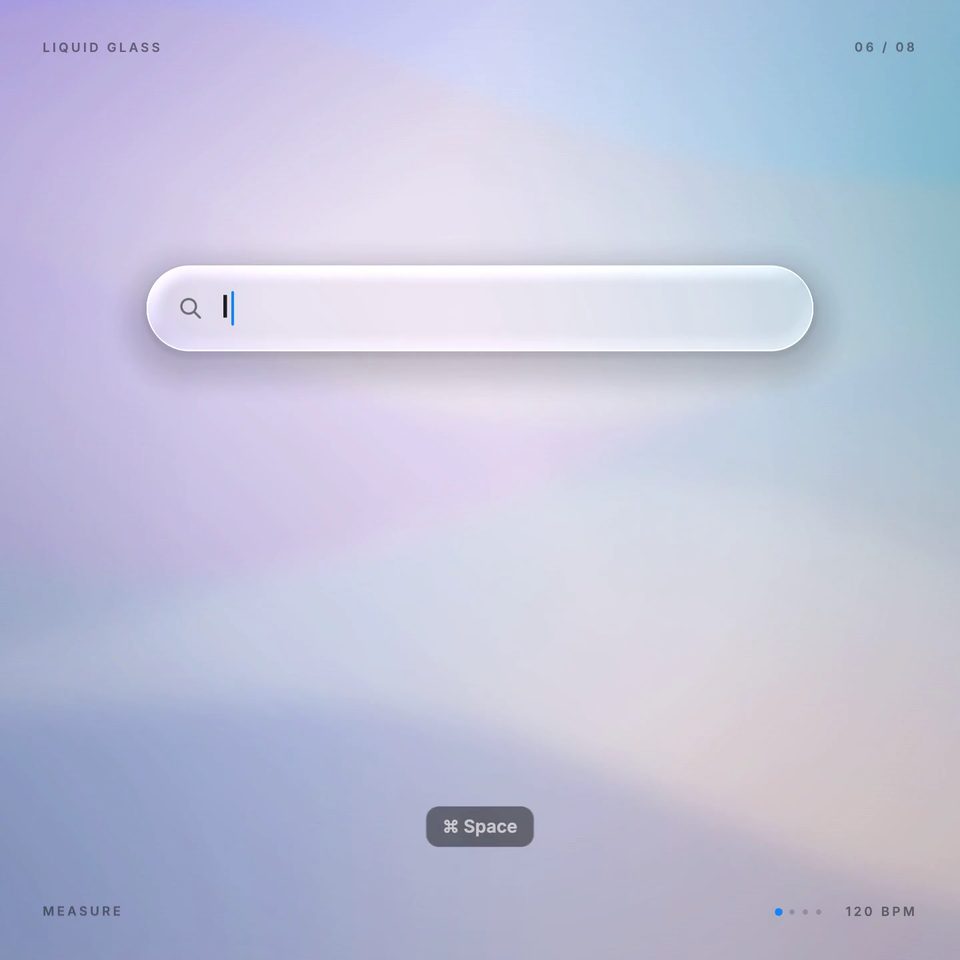 00:16
00:16Opus 5.5 launch video, extra effort
OtherOpus 5.5
1 05:15
05:15A documentary about superintelligence
OtherOpus 5.5
1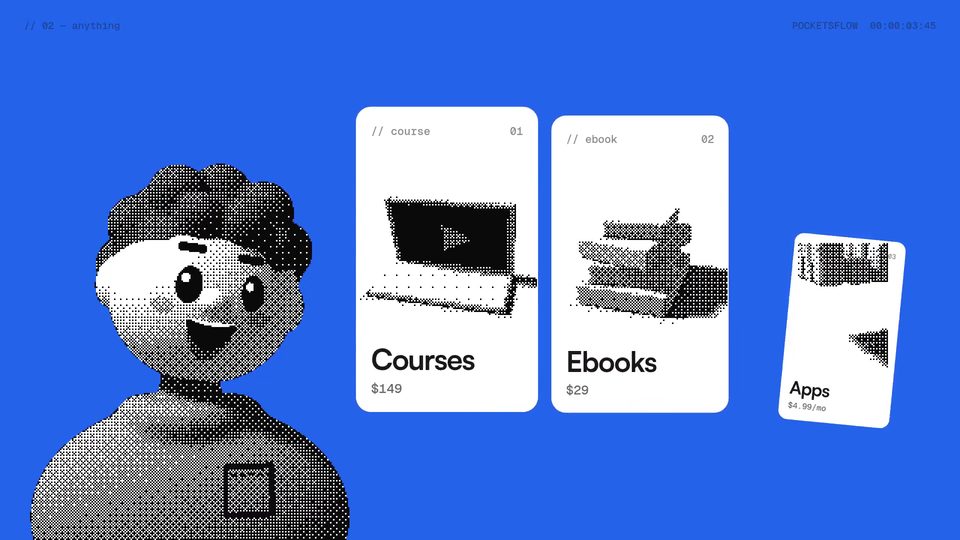 00:15
00:15A character-led Pocketsflow product explainer
OtherOpus 5.5
1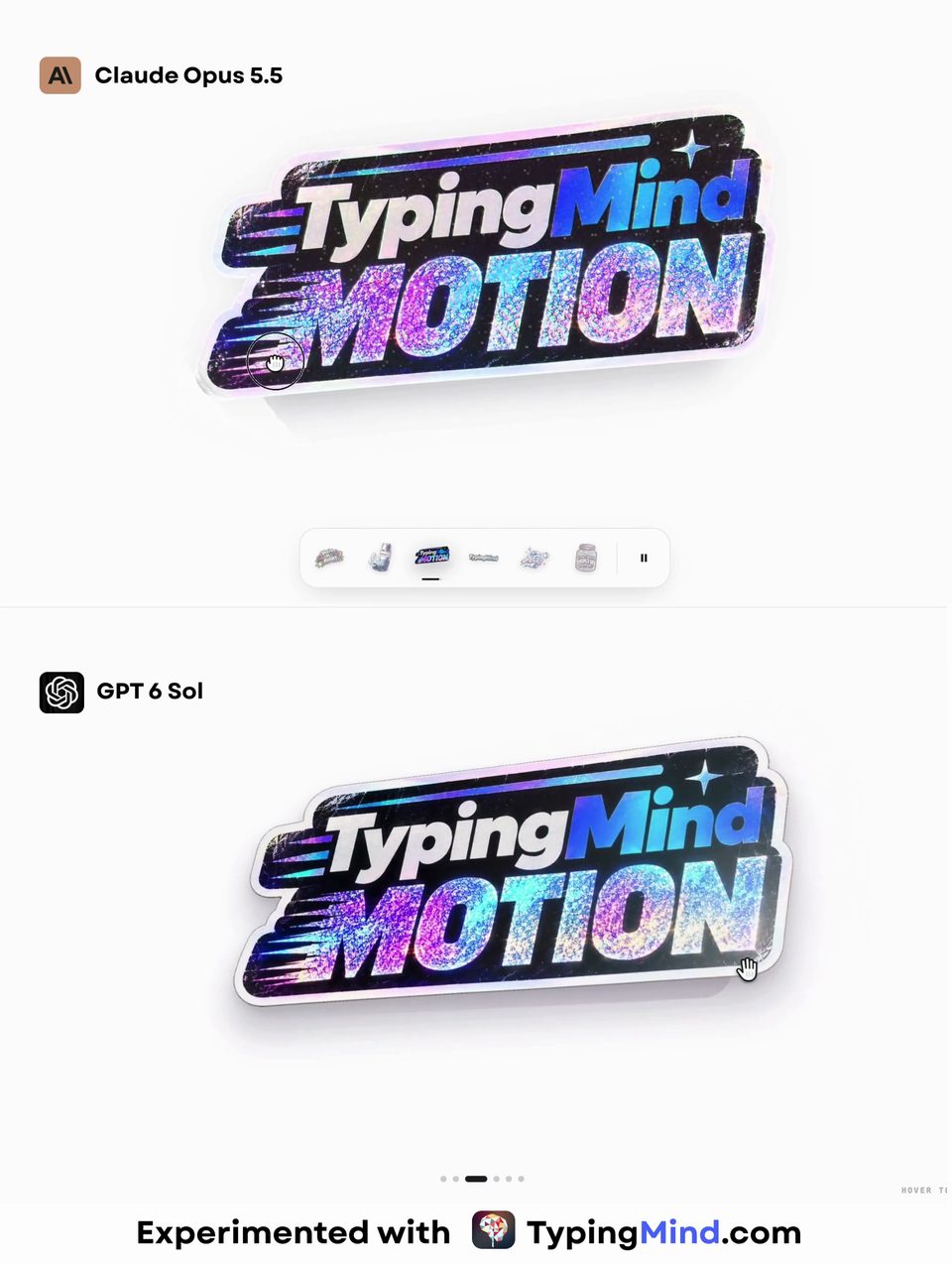 00:13
00:13Interactive Glitter Sticker Effect with Peel Animation Comparison
OtherOpus 5.5
1